
Metrological Services
Product detailed description
Calibration and verification of measuring instruments
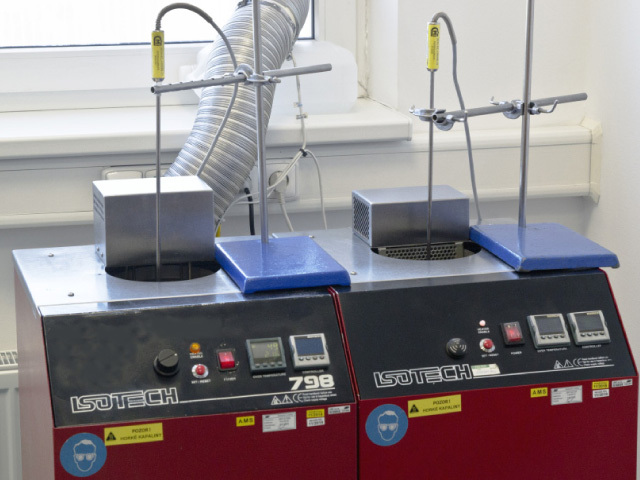
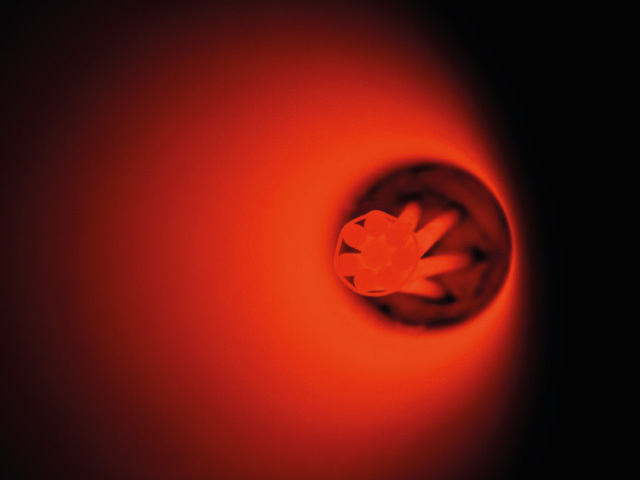
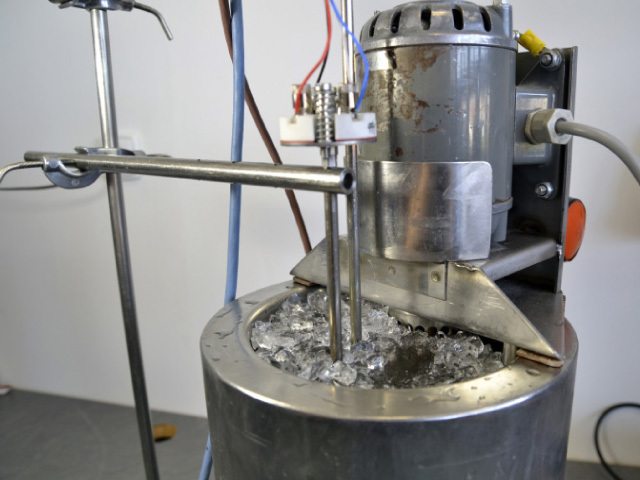
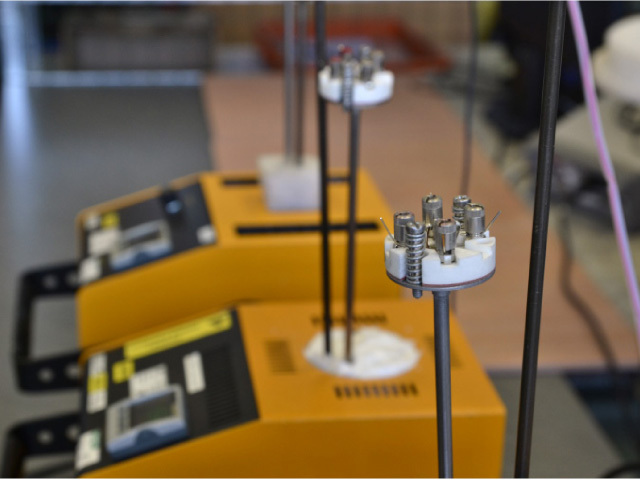
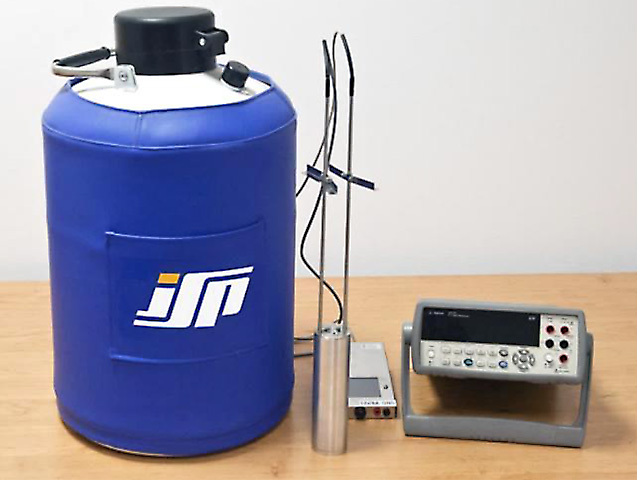
- Calibration of temperature measuring instruments in the range of -196 to +1553 °C.
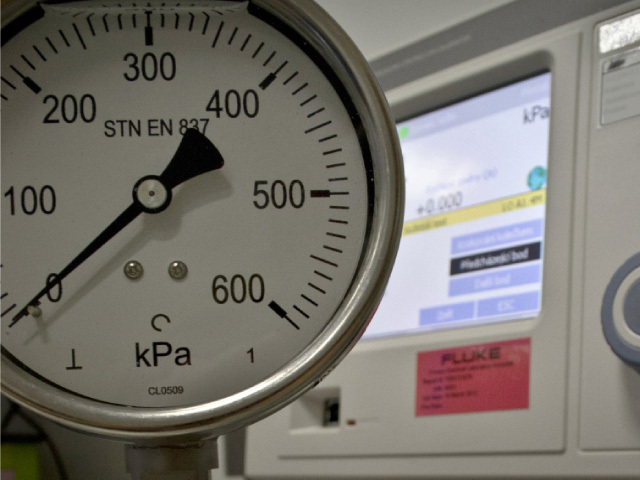
- Calibration of pressure measuring instruments in the range of -95 kPa to 70 MPa.
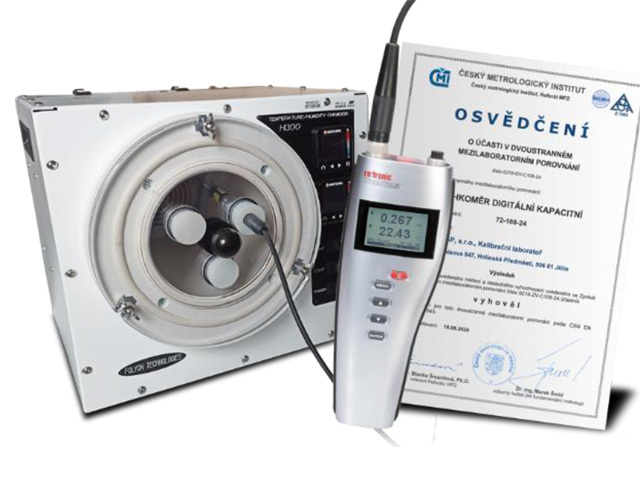
- Calibration of humidity measuring instruments from 5 to 95% RH.
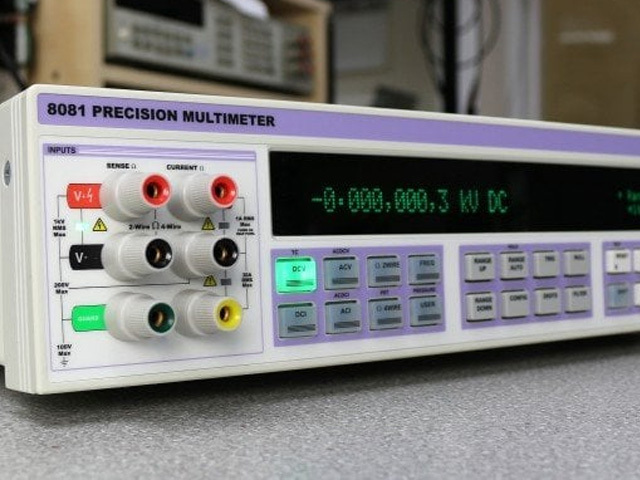
- Calibration of AC/DC electrical variables from 0 to 1000 V, 0 to 30 A, 0 to 100 GΩ.
- Verification of temperature and pressure measuring instruments.
- Calibration in production facilities.
The comprehensive supply of measurement and control technology is closely related to the verification of the metrological characteristics of supplied measuring instruments and equipment. JSP, s.r.o. has been offering calibration laboratory services since 2004. Since 2011, it has been accredited by the Czech Accreditation Institute, o.p.s. according to the ČSN EN ISO / IEC 17025 standard. The scope of accredited activities also includes calibrations performed at customers' premises.
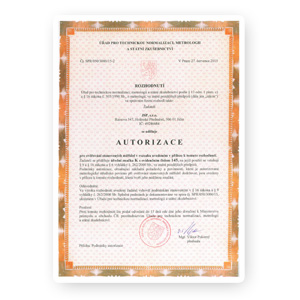
In 2015, we further expanded our range of metrological services by establishing an authorized metrological center (AMS), which was authorized by ÚNMZ to verify specified measuring instruments.
On October 1, 2025, a branch of the calibration laboratory has been opened at the Synthesia Pardubice premises.
Accredited Calibration Laboratory No. 2362 (AKL)
AKL performs calibrations of measuring instruments in the fields of temperature, pressure, humidity, and electrical quantities for the following types of measuring instruments:
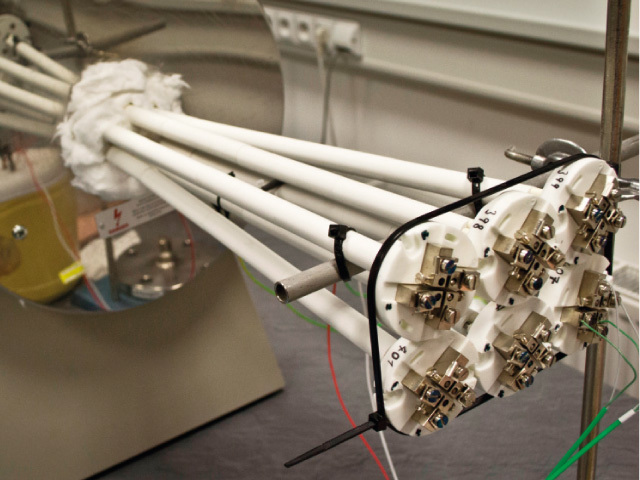
- resistance and thermocouple temperature sensors,
- digital and dial thermometers,
- temperature sensors with analog or digital output signal transmitters,
- temperature transmitters, displays, and controllers,
- process signal simulators and calibrators,
- measuring chains with temperature sensors,
- digital and strain gauges,
- pressure transmitters with analog or digital output signal,
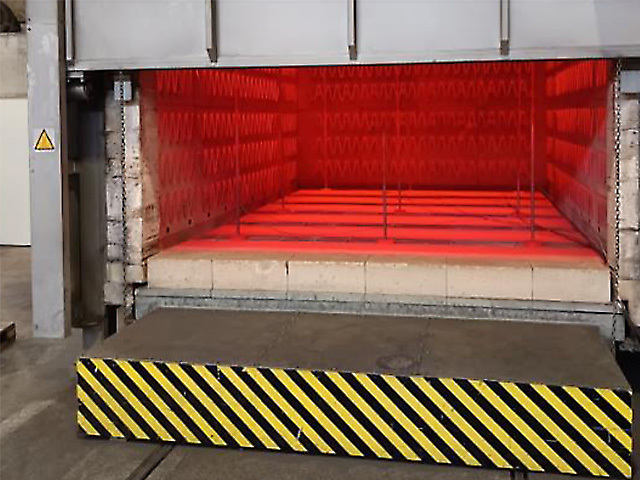
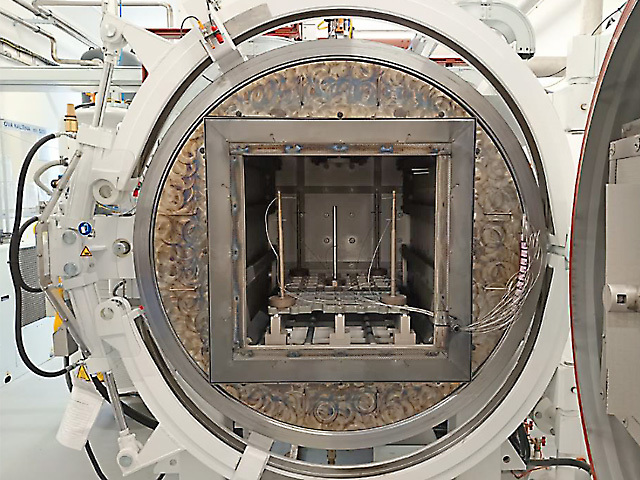
- operating calibration furnaces,
- temperature and climate chambers,
- humidity meters,
- glass thermometers,
- handheld and desktop multimeters and other electrical quantity meters.
Ranges:
- temperature meters: -196 to +1553 °C,
- pressure meters: -95 kPa to 70 MPa,
- simulation and measurement of temperature sensors: -10 to +100 mV (TC), 0 to 6000 Ω (RTD),
- simulation and measurement of unified signals 0 to 20 mA and 0 to 10 V,
- humidity 5 to 95% RH,
- AC/DC voltage meters and generators 0 to 1000 V,
- AC/DC current meters and generators 0 to 30 A,
- DC resistance meters and generators 0 to 100 GΩ.
Authorized Metrology Center K145 (AMS)
AMS provides verification of temperature sensors, temperature sensors including transmitters with unified signals (4-20 mA, HART), pressure transmitters, and pressure differential transmitters designed for:
- heat and cooling meters,
- meters and measuring systems for fluid flow,
- combined gas volume meters.
Calibration in industrial facilities
Calibration of working measuring instruments is also performed by calibration laboratory staff at our customers' premises, covering the entire range of accredited activities.
For users of specified measuring instruments, we provide disassembly, verification, and subsequent assembly of specified measuring instruments. These services include metrological testing of combined heat meters and correction of pressure transmitters after their installation.
Why is calibration important?
The importance of calibration can be seen, for example, in the areas of production equipment diagnostics, increasing the efficiency of production processes, reducing the energy intensity of technologies, and in other activities where attention to measurement accuracy leads to higher quality end products and significant financial savings. Compliance with legal requirements and the ability to demonstrate product conformity with declared parameters are further benefits of calibration.
Sensors are exposed to mechanical, thermal, and chemical stress and a number of other factors during operation. Over time, they may show a shift in measured values, known as drift. Only regular calibration of sensors guarantees the required measurement accuracy.
Legislation
Metrological requirements in the Czech legal system are governed by Act No. 505/1990 Coll. on metrology, as amended, and related legislative regulations defining the units of measurement used, categories of measuring instruments, the traceability of measurements, rules for the use and placing of measuring instruments on the market, requirements for the calibration and verification of measuring instruments, and the obligations and powers of individual entities.
The Metrology Act sets out two basic requirements for users of measuring instruments:
- Keep records of specified measuring instruments subject to verification and submit these instruments for verification.
- Ensure the uniformity and accuracy of measuring instruments and measurements, whereby this requirement is achieved for working measuring instruments through their calibration.
The legal requirements for measuring instruments may be supplemented by requirements arising from the quality management standards ČSN EN ISO 9001, ČSN EN ISO 10012, or ČSN P ISO/TS 16949 applied in the automotive industry. These standards systematically define the requirements for ensuring metrology in organizations with the aim of documenting product compliance with declared parameters.

Be the first who will post an article to this item!